A Designer's Take on the Woman and Man Rhinestone Templates
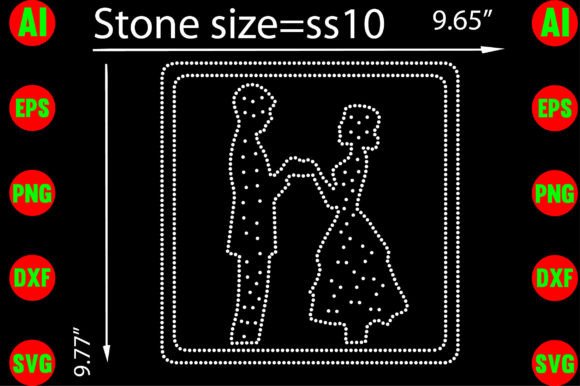
When a new design file lands in my library, my first question is never about the file formats—it’s about the story it tells on fabric. The Woman and Man Rhinestone Templates design immediately struck me as something with a quiet, classic charm. It’s not a loud, graphic statement; it’s more of a gentle, decorative motif. The layout feels balanced and symbolic, leaning towards a timeless rather than trendy visual personality. This isn't a design for a bold brand logo; it's for a heartfelt gift or a subtly branded piece of merchandise.
The Mood It Creates on Stitched Products
I imagined this design embroidered onto a linen tote bag or a soft cotton pillow cover. The mood it creates is elegant and personal. It wouldn't shout; it would whisper a sense of connection or partnership. For a creative entrepreneur, that's a valuable nuance. On a baby item, like a keepsake blanket, it transforms into a sweet symbol of family. On a simple apron or kitchen towel, it adds a touch of curated, handmade personality that customers in boutique settings genuinely appreciate.
In real-life embroidery situations, this design's clarity is its strength. On a custom sweatshirt or t-shirt, the defined shapes would allow for clean satin stitch outlines or a crisp fill stitch in the central elements. As an embroidered patch, it would hold its own detail level beautifully, making it a versatile asset for a craft business. I could see it working wonderfully for holiday gifts, like personalized holiday pillow covers, or as a consistent motif on a small shop’s line of tea towels and aprons.
Where This Design Finds Its Best Home
For commercial embroidery projects or Etsy listings, this design offers a professional base. Its balance means it can scale well for printable mockups on different product types. It naturally fits into categories like wedding gifts, nursery decor, and personalized products where the theme resonates emotionally. For an apparel decorator, it’s a solid choice for a client wanting something meaningful but not overly complex for a cap or a tote bag.
Practical Considerations for Stitching Success
Now, for the real-world embroidery judgment. This is where we move from potential to practice.
The design’s detail level suggests it needs a thoughtful approach on smaller hoop sizes. Those defined internal shapes and lines are beautiful, but on a very small scale, like a tiny corner of a baby garment, stitch density and thread choice become critical. I would be cautious with textured or very stretchy fabrics—a good stabilizer is non-negotiable here to maintain the design's crispness.
Dark fabric backgrounds are a classic challenge. For this design, testing thread color contrast is essential. Does the intended color palette pop on dark denim or a black cap? A quick test on scrap fabric first will save a finished product. Similarly, the design likely has areas that could become dense if using fill stitches. Reviewing that density for the specific fabric—like a thin cotton versus a thick sweatshirt fleece—affects both the look and the durability of the item, especially for products needing frequent washing.
Navigating the Tricky Surfaces
Curved surfaces like caps demand extra attention. The design's layout seems balanced, but applying it to a curved area requires checking how those symmetrical elements distort. Detailed corners and any tiny lettering (if present in the template variations) need to be inspected in a test run. A design like this thrives on clarity; losing detail on a difficult surface hurts the final product's value and handmade presentation.
Impact on Your Business and Customer Trust
Using a design like the Woman and Man Rhinestone Templates well directly impacts customer trust and engagement. When stitched cleanly on appropriate products, it elevates the perceived value. It feels intentional and professional, which strengthens brand consistency for a small shop. Its giftability is high—it looks like a considered, crafted item, not a generic mass-produced one.
For digital product sellers offering finished embroidered goods or the embroidery file itself, providing a design that performs reliably across applications builds buyer confidence. It shows you understand the craft, not just the graphics. This design, by its nature, supports that. It’s a design asset that encourages recognition through its classic symbolism, potentially becoming a repeat motif for a customer’s personalized products.
Essential Designer Notes Before You Hoop
Before you commit this to a client’s project or your own merchandise, here’s my checklist. Always, always test the design on scrap fabric first, mimicking the final fabric type and color. Check thread color contrast by viewing the design in simple black and white mockups to understand light and dark areas. Confirm your hoop size can accommodate the design without cramping the details.
Compare how it looks on both light and dark fabric backgrounds in your software preview. Use the proper stabilizer for your chosen fabric—this isn’t a step to skip. Crucially, check the provided file formats and the licensing. The product description states it includes Ai, EPS, SVG, and DXF files at 300dpi, which is excellent for scalability and versatility. However, always confirm the licensing terms yourself before selling finished items or using the digital embroidery file for commercial projects. Never assume.
Finally, think about the end product’s life. If it’s a kitchen towel or a child’s item that will be washed often, ensure your stitch choices and stabilizer use make it durable. That practical forethought is what separates a hobbyist project from a professional, sellable product. The Woman and Man Rhinestone Templates has the foundational quality to be part of that professional tier, provided you apply your embroidery expertise to bring it to life.