Close Open Rhinestone Templates: A Designer's Review for Blog Graphics
As someone who publishes content daily, I know that first impressions are visual. When a new graphic design asset lands on my desk, my first question isn't just about aesthetics, it's about utility: How will this elevate the editorial quality of my site and build trust with my readers? Recently, I evaluated the Close Open Rhinestone Templates design, and for publishers in specific niches, this is a surprisingly versatile tool for crafting a polished, clickable visual identity.
The First Impression: Playful, Feminine, and Decorative
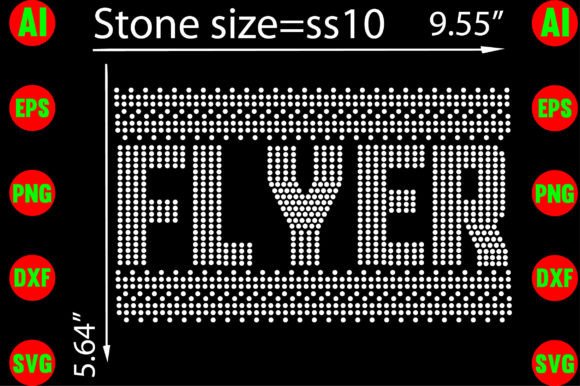
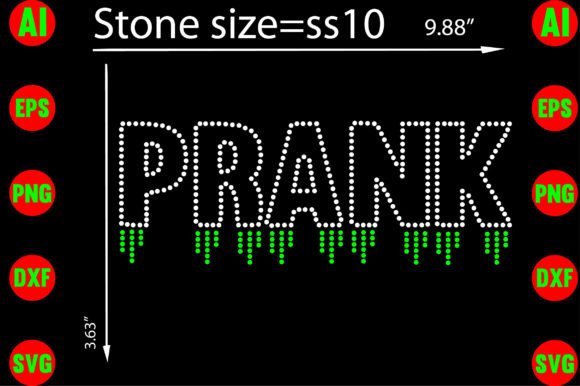
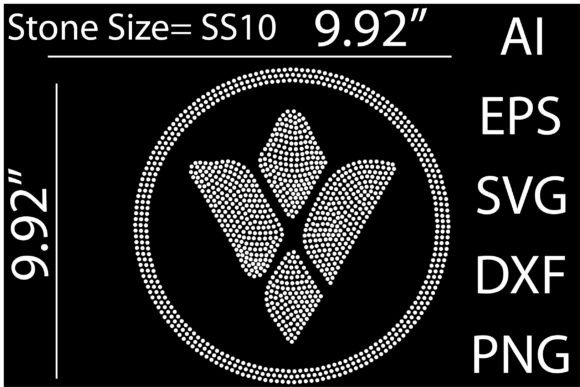
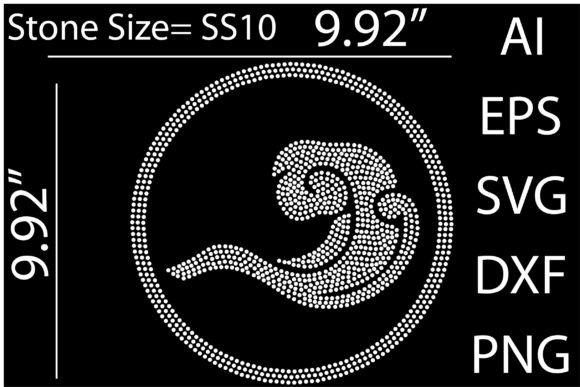
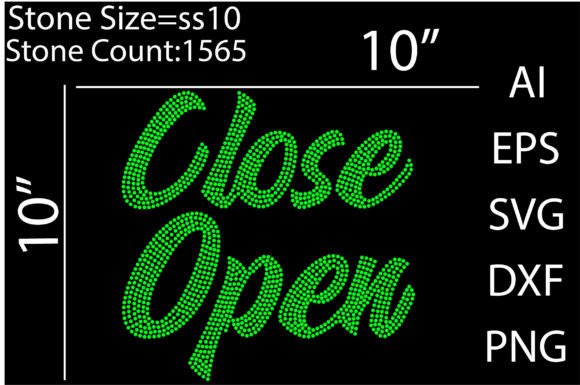
Opening the instant download ZIP folder, which contains the design in multiple formats like AI, EPS, SVG, and DXF at 300dpi, the immediate mood is decorative and bold. The rhinestone aesthetic creates a sense of crafted luxury and playful detail. It doesn’t scream minimalism or corporate seriousness; instead, it feels artistic, modern, and decidedly lifestyle-focused. For content creators targeting niches like fashion, DIY crafts, celebratory events, feminine lifestyle blogs, or creative entrepreneurship, this asset establishes a vibrant and inviting editorial tone. Reader perception shifts from "informational" to "inspirational."
Real Publishing Workflows: Where This Graphic Asset Thrives
In a practical publishing workflow, a versatile design file is gold. Here’s how the Close Open Rhinestone Templates can integrate into real content projects, far beyond its primary category of T-Shirt Designs.
Creating High-Impact Featured Images and Pinterest Pins
For a blog post about "10 Sparkling DIY Gift Ideas," this template becomes the foundation of a stunning featured image. The high-resolution vector files allow you to scale it perfectly for a website header or a Pinterest graphic. The intricate, closed and open patterns provide a ready-made visual hierarchy—a central decorative element that lets your headline text pop. This clarity is crucial for click-through potential on social media and search.
Building Consistent Branding for Downloadable Resources
Think beyond the blog post. This design excels as a branding element for digital products. Use the SVG or EPS files to incorporate the rhinestone motif into the cover of a digital guide on "Event Planning," a worksheet for a "Craft Business Budget," or a media kit for a lifestyle influencer. It instantly elevates a simple PDF into a professional-looking lead magnet, reinforcing a cohesive and strong visual identity across all your content marketing materials.
Enhancing Editorial Layouts and Newsletter Graphics
Within an article, smaller accents derived from this template can break up text beautifully. As a section divider or a subtle background element for call-out quotes, it adds artistic flair without overwhelming the copy. For email newsletters, a banner graphic featuring this design creates a memorable header that subscribers begin to recognize, fostering better category recognition and reader loyalty.
Supporting Content Performance and Professional Polish
The ultimate goal of any blog graphics is to support content performance. This design asset contributes in several key areas.
- Stronger First Impression: A website using this in its hero images or category thumbnails feels curated and designed, not templated.
- Improved Reader Trust: Polished, consistent visuals signal expertise and care, making audiences more likely to engage and return.
- Better Click-Through Potential: On platforms like Pinterest, a distinctive, decorative pin stands out in a crowded feed.
- More Consistent Branding: Using the same core graphic element across blog graphics, social media posts, and digital product covers creates a recognizable brand ecosystem.
Strategic Placement: Best Uses and Considerations
Knowing where a design works best—and where it requires caution—is part of professional publishing.
Where It Works Best
- Hero images for category pages (e.g., "Festive Crafts")
- Article thumbnails and featured graphics for lifestyle content
- Pinterest pins for visual, inspiration-driven topics
- Editorial accents in long-form guides
- Content upgrades and downloadable resource covers
- Newsletter headers for creative business updates
- Social media previews for affiliate marketing content in relevant niches
Where to Use Carefully
- Small mobile thumbnails where intricate details may become muddy.
- Text-heavy blog images where the decorative background could compete with readability.
- Low-contrast backgrounds; ensure your overlay text has strong contrast against the patterns.
- Busy layouts; this asset is bold, so balance it with clean surrounding space.
- Serious professional niches or corporate content requiring a very minimal visual system.
Practical Publisher Notes for Implementation
Before hitting publish, I run a few critical checks on any new design asset. Here are my notes for using the Close Open Rhinestone Templates effectively.
- Test on All Screens: Preview how it looks as a tiny thumbnail on mobile and a large banner on desktop.
- Preview in Context: Drop it into a real blog layout draft alongside your headline. Check contrast and readability.
- Font Compatibility Test: Place the design beside different font styles—a clean sans-serif, a elegant serif, a playful script. See which pairing best communicates your intended mood.
- Performance Check: When exporting for web use (e.g., as a JPG for a blog graphic), compress images properly to maintain fast page loads.
- License Confirmation: Always confirm the commercial license terms before using a graphic on monetized websites, affiliate pages, or within paid content products like eBooks or Canva templates for your audience.
A Versatile Tool for the Creative Publisher's Toolkit
While categorized as a graphic for T-Shirt Designs, the Close Open Rhinestone Templates design demonstrates how a single, well-produced commercial design asset can serve multiple purposes in digital publishing. Its decorative, modern style supports a specific but popular content niche, helping publishers, small business owners, and affiliate marketers create a visually cohesive and professional-looking content library. From the initial download to its final placement in a blog graphic or digital guide, it’s a resource that answers the core publisher’s question: Does this make my content look more credible, clickable, and complete? For the right projects, it absolutely does.